Jan 22, 2021 – thirty days into winter – It’s been warm and cold, it’s been wet and dry, wrapped in long dark nights. Camping? Let’s wait until the weather warms just a bit. But Oh, how it has been on my mind. So, I did a little armchair wandering. I’m pretty excited about what I found…
In a fit of restless podcast searching I landed on episode #327 of the Art of Manliness podcast. [I know what you are thinking, I’m not sure how I ended up there either (turns out there’s a lot of excellent content – check it out).] Host and founder Bret McKay interviews Terrence Young about his book: Heading Out – A History of American Camping.
Here’s a few of the tidbits I gathered whilst listening from my armchair –
Prior to 1865 Americans camped only as an adjunct to hunting and fishing.
In 1869 W.H.H. Murray publishes the FIRST camping guide: Adventures in the Wilderness. Murray explains how to camp and why to camp. It is the first-time camping is described as an activity which can reduce stress and anxieties.
As growth pushed froward in America camping became thought of as a place and activity not tainted by industrialization. It could be a respite from crowded polluted cities; it was economical and it didn’t take too much time away from work or home life. All this resonated greatly with a vast majority of Americans who grew up trading pops farm and life in a small town for the bread and butter of the city.
Simultaneously, the American Frontier was slowly being lassoed into states. Euro-American immigrants took the loss to heart. The frontier is where their fore fathers became Americans; a pioneer defined what it meant to be an American. The message became go see “it” before it’s gone. Tales of those who did venture out express how camping brought a neutralizing and leveling quality to humanity – it mattered not what walk of life or socio-economic class of a fellow camper only the sharing of the outdoors.
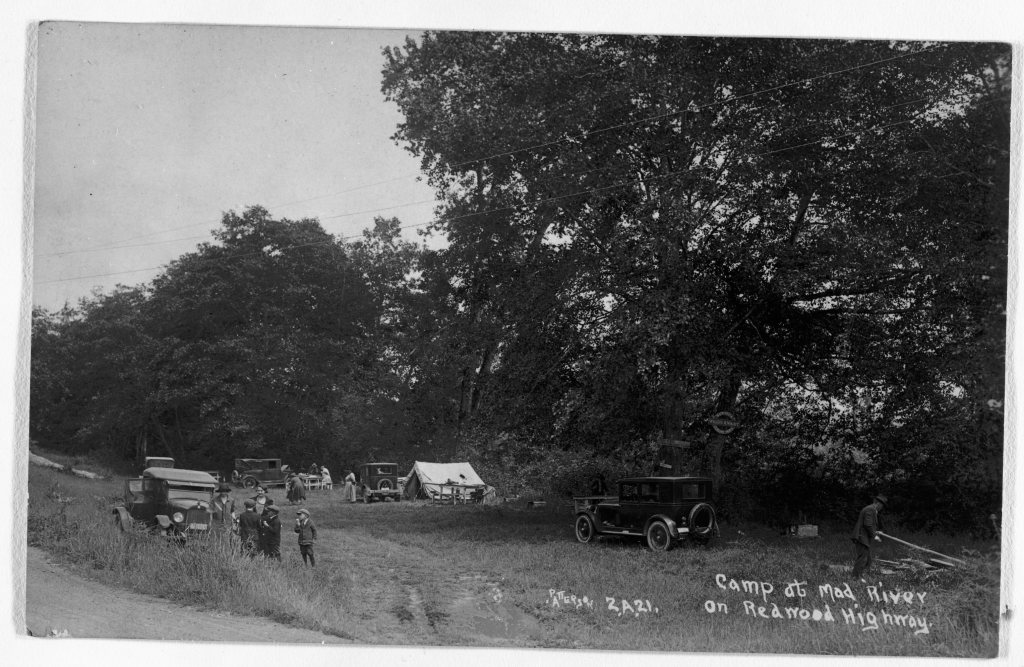
At this time most of the camping was done close to home using horses to haul gear. By the 1920’s, thanks to Mr. Ford, camping exploded. People would drive as far out into the wilds as they could and set up camp. Meadows, beaches, riversides, large groves of big trees were especially popular. This unregulated method of camping continued for years. People like to camp with other people, even if they are strangers, the concentrated camp areas began to show some serious wear and tear. Around 1932 a plant biologist named Meinecke is asked to help find a solution. He creates a neighborhood of sorts, with car parking pads, a communal bathroom at one end, a one-way road. This model, labeled a “Campground”, we all know!
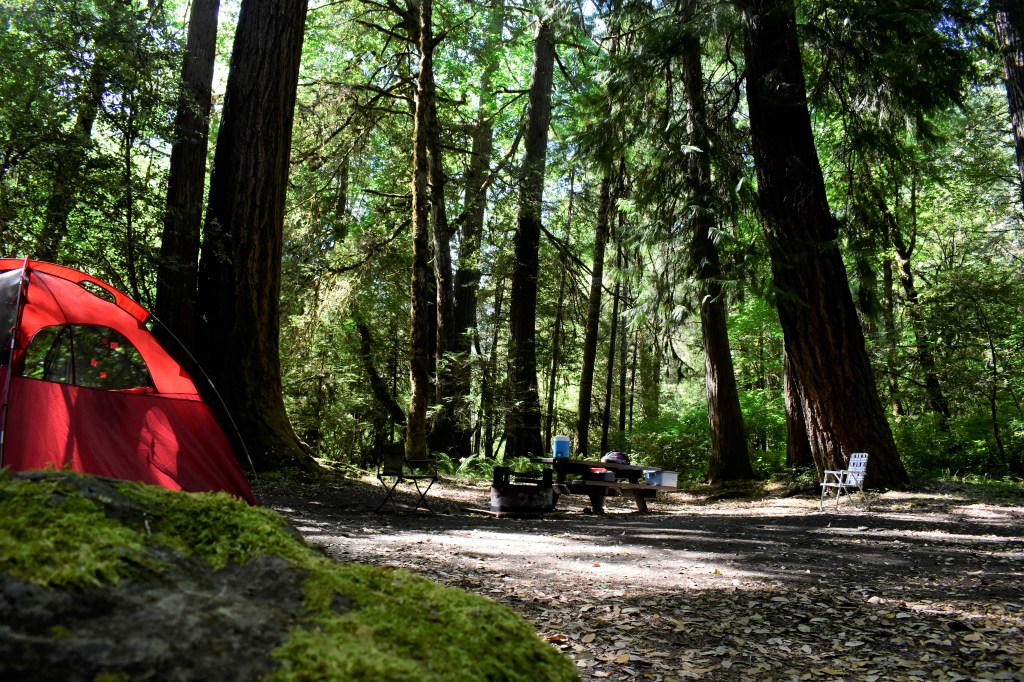
I am fascinated about how much of this history speaks directly to me and my ideals about camping in the 21st century: Meinecke’s model campground, where I have spent numerous nights under the stars, public wilds lands as “Americas Playground”, an idea I wholeheartedly support, promoted then and now. Time spent in the wilds will re-charge overburdened human minds and spirits, Yes, I call it eco-therapy. Camping as an economical and accessible activity for everyone, well… I have my eye on these, ready with my voice and pen. All in all,
It feels nice to be a part of an American tradition.
(top photo from The Humboldt Room at Humboldt State University)
 Wild Escape Guides